Mining equipment such as haul trucks, excavators, dozers, crushers and conveyors operates under heavy loads, often around the clock. Unplanned breakdowns stop production and can affect other equipment that depends on the failed unit. Maintenance strategy is therefore a major part of mine management. This article explains predictive maintenance and how a digital twin can support it.
Three Maintenance Approaches
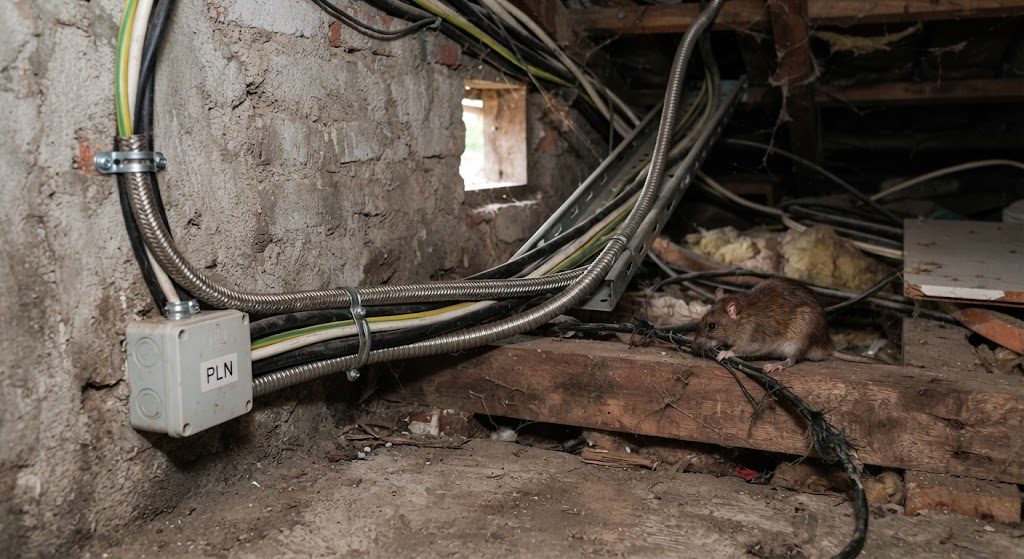
Reactive maintenance. Equipment is repaired after it fails. This avoids unnecessary work but leads to unplanned downtime.
Preventive (scheduled) maintenance. Maintenance is carried out at fixed intervals, such as operating hours or calendar dates. This reduces unexpected failures but can replace parts that still have useful life.
Predictive maintenance. Maintenance is scheduled based on the actual condition of the equipment. Data is used to estimate when a component is likely to fail, so work can be planned before failure.
Most mining operations use a combination of these approaches.
The right balance depends on the criticality of each asset, the cost of failure, the availability of condition data and the capacity of the maintenance team. Critical equipment whose failure stops production is often the first candidate for predictive maintenance.
Data Used in Predictive Maintenance
Predictive maintenance depends on condition data. Common sources in mining include:
- engine and machine sensor data, such as temperatures and pressures
- vibration measurements on rotating equipment
- oil analysis results
- operating hours and load history
- fault codes from on-board systems
- maintenance and repair records
These data sources often exist in separate systems: equipment manufacturer platforms, maintenance software and laboratory reports.
How a Digital Twin Helps
Virtu lists Predictive Maintenance and Planning as one of the core features of its digital twin service, with the aim of preventing downtime and identifying potential problems early.
A digital twin can support predictive maintenance in several ways:
- Bringing data together. Condition data from different sources can be linked to each asset in one environment.
- Spatial context. Equipment health can be shown on the 3D site model, together with location and operating status.
- Alerts. Thresholds or trends can trigger alerts linked to the relevant asset.
- History. Past condition data and events can be replayed to study what happened before a failure.
- Planning. Maintenance can be planned around production needs, using the twin’s view of current operations.
Virtu’s digital twin page describes similar uses in manufacturing, such as anticipating machine breakdowns, and in buildings, such as scheduling maintenance before breakdowns occur.
Fixed Plant vs Mobile Equipment
Predictive maintenance applies differently to fixed and mobile assets.
Fixed plant, such as crushers, conveyors and pumps, stays in one place. Sensors can be installed and connected to the site network, and the digital twin can show condition at the asset’s location.
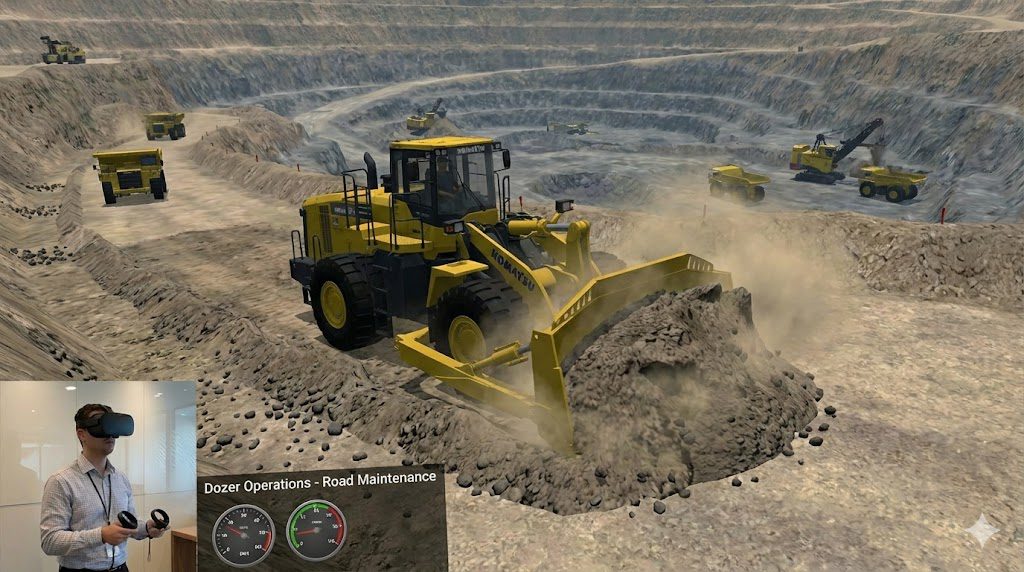
Mobile equipment, such as haul trucks and excavators, moves around the site. Condition data must be transmitted from the machine, often through the same network used for fleet management. The digital twin can show both the machine’s health and where it is working.
What Is Needed to Start
Implementing predictive maintenance with a digital twin requires:
- reliable condition data from the assets of interest
- access to that data through integrations with existing systems
- clear rules for alerts, developed with maintenance engineers
- maintenance records that can be linked to condition data
- a process for acting on alerts
Without good data and a defined response process, alerts may be ignored or may create unnecessary work. Alert rules usually need adjustment after the first weeks of use.
Starting Small
Rather than connecting every asset at once, many organisations begin with a limited set of critical equipment. This allows the team to test data quality, alert rules and workflows before expanding.
Limitations
A digital twin does not make predictions by itself. Predictions depend on data quality, the analysis methods used and the knowledge of maintenance engineers. The twin provides a place to combine, view and act on that information.
Summary
Predictive maintenance uses equipment condition data to plan work before failures occur. A digital twin can bring that data together with location and operating information in a single view. Mining companies interested in this approach can contact Virtu to discuss their assets and data sources.