Personal fall protection equipment is important, but it is not the first line of defence. Safety management systems use a hierarchy of controls to decide how to manage a hazard. This article explains how the hierarchy applies to work at height and where VR training fits within it.
What the Hierarchy of Controls Is
The hierarchy of controls ranks risk control measures from most to least effective:
- Elimination: remove the hazard completely.
- Substitution: replace the hazard with something less hazardous.
- Engineering controls: isolate people from the hazard.
- Administrative controls: change the way people work.
- Personal protective equipment (PPE): protect the individual worker.
Higher levels protect more people with less reliance on individual behaviour. Lower levels depend more on people following procedures correctly.
In practice, several controls are often used together. A task may combine edge protection, a work permit, trained workers and personal fall protection. The hierarchy helps decide which controls should be considered first and which should act as backup.
Applying the Hierarchy to Work at Height
Elimination
The most effective control is to avoid working at height. Examples include assembling components at ground level and lifting them into place, or using extendable tools from the ground.
Substitution
Where height work is necessary, a safer method may be used. For example, a mobile elevating work platform may replace a ladder for some tasks.
Engineering Controls
Engineering controls include guardrails, edge protection, covers over openings, scaffolding with proper platforms and safety nets. These protect everyone in the area without requiring individual action.
Administrative Controls
Administrative controls include work permits, safe work procedures, training, supervision, exclusion zones and rescue plans. Indonesia’s Minister of Manpower Regulation No. 9 of 2016 on Occupational Safety and Health in Work at Height includes requirements for planning, procedures and worker competence.
Personal Protective Equipment
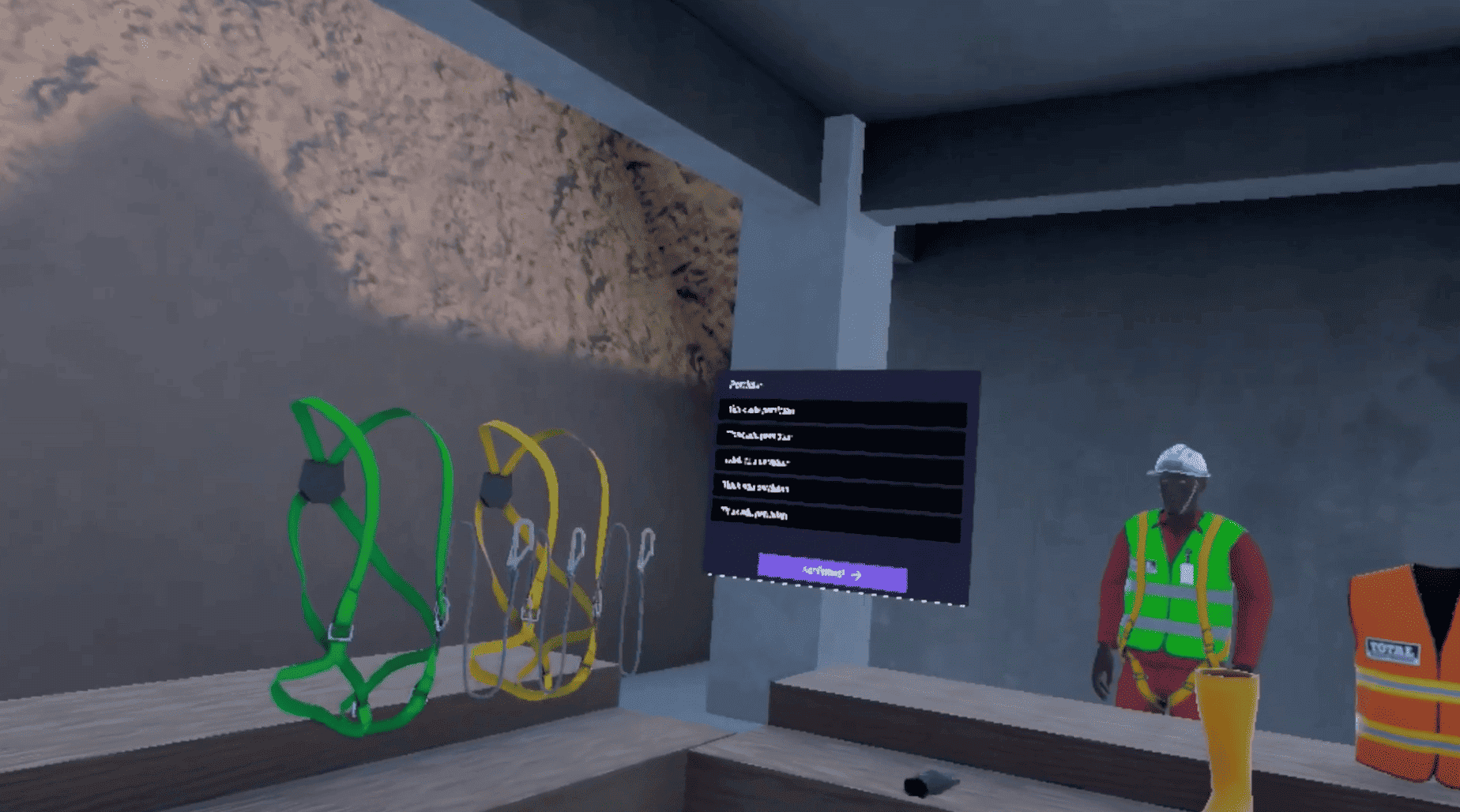
PPE includes full body harnesses, lanyards, self-retracting lifelines and fall restraint systems. PPE is necessary where other controls do not fully remove the risk, but it relies on correct selection, inspection and use. It also requires a rescue plan, because a worker who has fallen and is suspended in a harness needs to be reached promptly.
Where Training Fits
Training is an administrative control. It supports every other level:
- Workers need to understand why guardrails must not be removed.
- Workers need to follow permit and procedure requirements.
- Workers need to select, inspect and use PPE correctly.
- Supervisors need to recognise when conditions change and controls are no longer adequate.
Training does not replace higher-level controls. A well-trained worker still needs guardrails, safe access and suitable equipment. Training is most effective when it reflects the controls actually used on site.
How VR Training Supports the Hierarchy
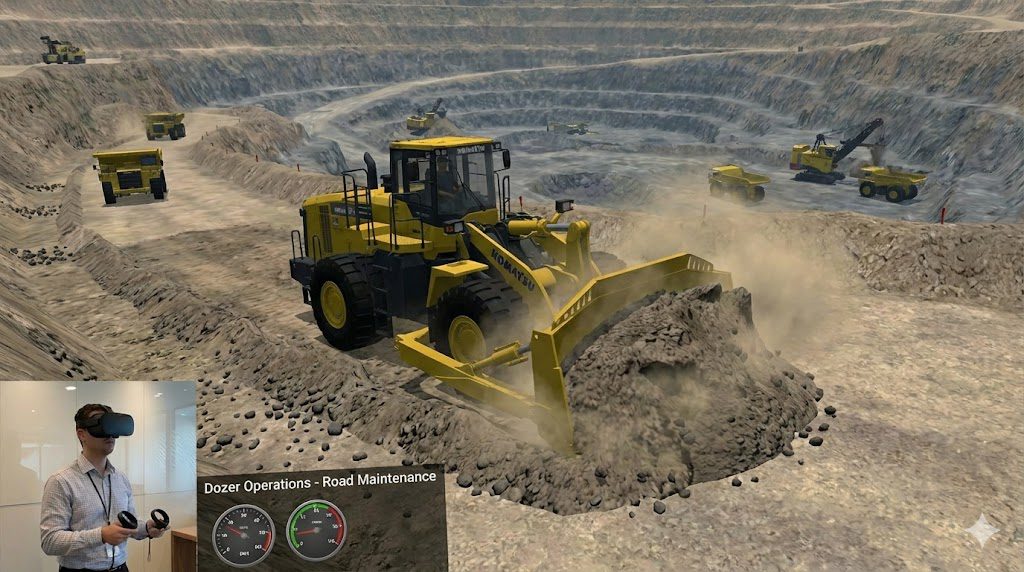
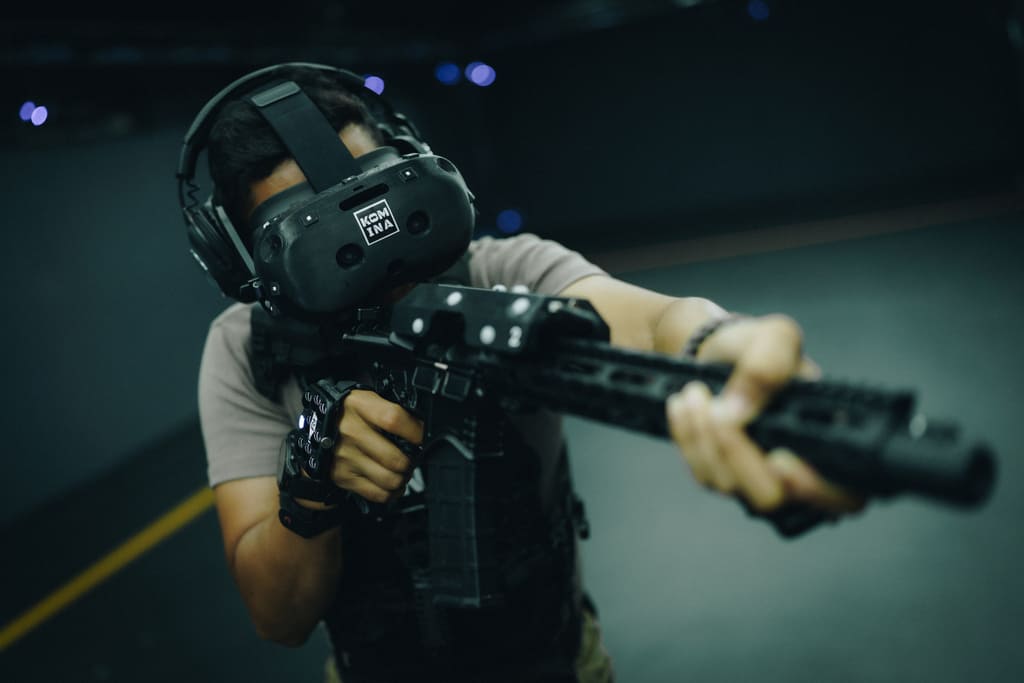
VGLANT lists work at height among its VR safety modules. VR training can address several levels of the hierarchy in one scenario:
- Recognising missing controls. Trainees can be asked to identify missing guardrails, uncovered openings or unsafe access before starting work.
- Following procedures. Scenarios can include steps from a permit or safe work procedure.
- Using PPE. Trainees can practise selecting equipment, choosing anchor points and maintaining connection.
VGLANT also lists hazard spotting as a separate module, which relates to recognising hazards before work begins.
VGLANT’s features include randomised scenarios, zero risk exposure and trackable performance. Its bespoke service converts existing SOPs into VR scenarios, so the training can reflect the organisation’s own controls and procedures.
Using Training Data in Risk Management
VGLANT’s platform records task duration, reaction time and actions taken. When reviewed across many trainees, this data can show patterns such as:
- hazards that are frequently missed
- procedure steps that are often skipped
- PPE decisions that are often incorrect
These patterns can inform updates to procedures, toolbox talks and refresher training.
Limits
VR training does not install guardrails or inspect real scaffolding. Physical controls, competent supervision and hands-on PPE training remain essential. VR is one tool that supports the administrative and behavioural parts of the hierarchy.
Summary
The hierarchy of controls places elimination and engineering controls above training and PPE. VR training supports the hierarchy by helping workers recognise missing controls, follow procedures and use PPE correctly. Organisations interested in VR work at height training can contact VGLANT to discuss their needs.